L-Carnitine Vs Creatine Can I use creatine and L-carnitine together?
\nCan I Use Creatine and L-Carnitine Together? A Realistic Review for Men Over 45
\n\nIf you have noticed that your recovery after a heavy workout takes a little longer than it did a decade ago, you are not alone. Many men in the 45-to-54 demographic experience a subtle but noticeable decline in stamina, muscular recovery, and overall cellular energy. In the search for a safe, reliable routine to preserve lean muscle mass and support vitality, it is common to come across various dietary supplements. Specifically, a question that frequently surfaces in fitness forums and wellness clinics is: Can I use creatine and L-carnitine together?
\n\nThe short answer is yes, you can take them together because they do not compete for the same absorption pathways or counteract each other’s mechanisms. However, before purchasing multiple tubs of powders or bottles of capsules, it is vital to look at the objective evidence. This review evaluates whether stacking these two popular compounds offers genuine, practical value for the maturing body, or if it simply results in expensive waste. Our goal is to dissect the science, cost, and everyday experiences without the hype or overblown marketing promises often found in the sports nutrition industry.
\n\nWhat Creatine and L-Carnitine Stacking Is and Who It Might Fit Best
\nTo understand the logic behind this combination, we must look at how each compound operates independently within your cells. Creatine is an amino acid derivative naturally stored in your skeletal muscle tissue. It plays a foundational role in producing adenosine triphosphate (ATP), the primary energy currency used during short, explosive bursts of physical movement, such as lifting weights, sprinting, or moving heavy furniture. As men age, maintaining natural creatine stores becomes increasingly important to counteract the gradual, age-related loss of muscle mass and strength, a condition known as sarcopenia.
\n\nL-carnitine, on the other hand, is an amino acid derivative that plays a crucial role in lipid metabolism. Its primary responsibility is to transport long-chain fatty acids across the mitochondrial membrane into the cellular "powerhouses," where these fats are oxidized and burned for sustained energy. While creatine works primarily during high-intensity, anaerobic efforts, L-carnitine supports aerobic energy production, cardiovascular function, and metabolic efficiency.
\n\nSo, who might find a reason to ask, "Can I use creatine and L-carnitine together?" This combination is best suited for men over 45 who engage in a hybrid fitness routine—combining resistance training with moderate cardio—and who feel their recovery capacity is lagging. It is less about achieving massive bodybuilding gains and more about preserving functional strength, supporting cellular health, and preventing severe post-exercise fatigue. It is not an appropriate solution for individuals seeking dramatic weight loss or those who do not actively exercise, as the true benefits of both ingredients are unlocked through physical stimulus.
\n\nPractical Benefits and Where It Falls Short
\nWhen analyzing the practical application of this stack, the results are generally subtle rather than transformative. The theoretical benefit is clear: you are supporting both major energy pathways of the body simultaneously. Creatine handles the short-duration strength demands, while L-carnitine addresses sustained endurance and cellular recovery by managing oxidative stress. For a 50-year-old individual, this could manifest as feeling slightly less drained the morning after a demanding leg workout or sustaining focus throughout a 45-minute exercise session.
\n\nHowever, it is crucial to balance these potential benefits with a look at where the stack falls short. Supplements cannot outwork a poor diet, inadequate sleep, or declining hormone levels. Furthermore, individual responses vary dramatically. Some users notice an improved baseline of physical stamina, while others experience absolutely no change at all. Let us look at two real-world scenarios to illustrate this divergence.
\n\nA Positive Case Study: Mark, a 48-year-old accountant, incorporated 3 grams of micronized creatine monohydrate and 2 grams of L-carnitine tartrate into his daily routine for twelve weeks. His goal was to maintain muscle mass while performing three strength workouts a week. Mark reported that around the four-week mark, he noticed a modest reduction in muscle soreness (DOMS) and felt less fatigued during his afternoon office hours following a morning workout. He experienced no digestive issues and felt the combination provided a reliable, steady baseline of recovery.
\n\nA Negative Case Study: Conversely, Dave, a 52-year-old regional manager, attempted the same stack using a pre-mixed powder variant. Within four days, Dave developed persistent mild stomach cramps and bloating. Despite lowering his dosage, the gastrointestinal discomfort continued, forcing him to halt the protocol. Furthermore, during his short trial, he noticed no change in his strength or endurance. Dave’s experience highlights that sensitive digestive systems may not tolerate these concentrated ingredients well, and the financial investment does not always yield a positive physical return.
\n\n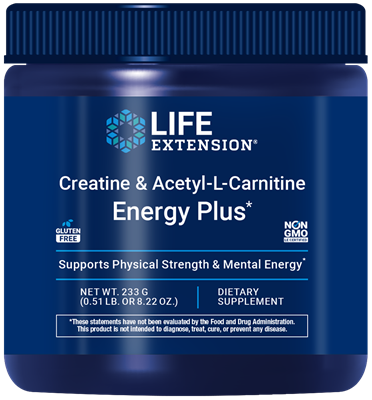
What Research Suggests and What It Doesn\'t for Stacking Creatine and L-Carnitine
\nWhen evaluating the question, is stacking creatine and L-carnitine safe and effective, we must look strictly at peer-reviewed data rather than marketing copy. Creatine monohydrate is one of the most thoroughly researched dietary supplements in existence. Decades of studies consistently demonstrate its ability to support muscle mass maintenance, cellular hydration, and cognitive health in aging adults. Clinical trials indicate that it safely supports physical performance when taken consistently at moderate doses (3 to 5 grams daily).
\n\nL-carnitine research is also substantial, though its findings are more nuanced. Studies show that while oral L-carnitine does not automatically cause rapid fat loss on its own, it plays a documented role in reducing exercise-induced muscle damage, optimizing androgen receptor density, and supporting endothelial function (blood flow) in older adults. When researchers look at combining both nutrients, the consensus is that they function independently. Taking them together does not create a compounding, explosive synergy; rather, it simply allows both well-studied mechanisms to run parallel to one another.
\n\nHowever, the science is clear about what these supplements *cannot* do. They do not reverse advanced muscle wasting on their own, they will not cure chronic fatigue syndrome, and they do not replace standard medical care for age-related health issues. Additionally, high oral doses of L-carnitine (above 3 grams per day) can sometimes be converted by gut bacteria into trimethylamine N-oxide (TMAO), a compound that has been scrutinized in cardiovascular health research. Therefore, maintaining a cautious, moderate approach to dosing is recommended, particularly for men with a family history of heart or kidney concerns. Always consult a healthcare provider before initiating a new supplement protocol.
\n\nIngredients, Formats, and Quality Signals
\nIf you decide to try this combination, choosing the correct forms and verifying product quality is essential to avoid wasting your money. For creatine, the gold standard remains creatine monohydrate, preferably in a micronized form. Micronized powders have smaller particle sizes, making them easier to dissolve in water and generally gentler on the stomach. Avoid overly expensive variations like creatine ethyl ester or liquid creatine, as research has not proven them to be superior to basic monohydrate.
\n\nFor L-carnitine, you will primarily encounter two active forms suitable for physical recovery: L-carnitine L-tartrate (LCLT) and Acetyl-L-carnitine (ALCAR). LCLT is the form most frequently utilized in sports nutrition and muscle recovery studies due to its rapid absorption rate. ALCAR, alternatively, crosses the blood-brain barrier more effectively and is often favored for cognitive support and mental focus. For physical recovery and stamina, LCLT is typically preferred.
\n\nBecause the dietary supplement market is not strictly regulated prior to products reaching shelves, you must seek out clear quality signals. Look for products that feature third-party testing seals on the label, such as NSF Certified for Sport, Informed-Choice, or USP (United States Pharmacopeia). These certifications confirm that the product actually contains the ingredients listed on the label and is free from dangerous levels of heavy metals, contaminants, or unlisted substances. Furthermore, verify that the manufacturer follows Current Good Manufacturing Practices (cGMP).
\n\nComparison of Common Options for Creatine and Carnitine Intake
\nNavigating the supplement aisle can be confusing. To simplify your decision-making process, the table below outlines five common configurations, detailing their daily use, advantages, drawbacks, typical monthly costs, and the ideal user profile.
\n\n| Format | \nTypical Dose/Use | \nPros | \nCons | \nCost | \nBest For | \n
|---|---|---|---|---|---|
| Pure Micronized Monohydrate Powder | \n3–5g daily in water or juice | \nHighly researched, very affordable, no fillers | \nRequires manual mixing, completely unflavored | \n$15–$25 / month | \nBudget-conscious men focusing primarily on muscle maintenance | \n
| L-Carnitine L-Tartrate (LCLT) Capsules | \n1–2g daily taken with meals | \nConvenient, avoids the sour taste of carnitine powder | \nRequires swallowing multiple large capsules daily | \n$20–$35 / month | \nThose prioritizing physical workout recovery without mixing powders | \n
| Acetyl-L-Carnitine (ALCAR) Powder | \n1–1.5g daily in the morning | \nSupports cognitive focus alongside cellular energy | \nDistinctly tart, sour taste; can clump easily | \n$18–$30 / month | \nMen looking for both mental clarity and metabolic support | \n
| Pre-Mixed All-In-One Daily Formula | \n1 scoop daily pre- or post-workout | \nHighly convenient, often includes complementary vitamins | \nRigid dosing ratios, proprietary blends, premium price tag | \n$45–$70 / month | \nBusy individuals willing to spend more for maximum convenience | \n
| Creatine + Carnitine Liquid Shots | \n1 liquid vial prior to exercise | \nNo mixing needed, very fast digestion rate | \nOften contains artificial preservatives and flavors | \n$40–$60 / month | \nFrequent travelers or individuals with minor pill-swallowing difficulties | \n
Buying Framework and Red Flags to Watch For
\nWhen selecting your products, do not rely on flashy labeling or social media endorsements. Use this practical buying framework to ensure you purchase a safe, effective supplement:
\n \n- \n
- Verify Single-Ingredient Alternatives: When possible, buy pure micronized creatine monohydrate and pure L-carnitine separately. This allows you to adjust the dosage of each ingredient independently and avoids overpaying for bundled products. \n
- Inspect the "Other Ingredients" Panel: High-quality options should contain minimal fillers. Avoid products packed with artificial food dyes (such as Red 40 or Blue 1), excessive silicon dioxide, or unnecessary chemical flow agents. \n
- Check for Ingredient Sourcing: Look for recognized trademarked raw ingredients, such as Creapure® for creatine or Carnipure® for L-carnitine. These indicate a high standard of purity and manufacturing consistency. \n
Be vigilant against common industry red flags. If a brand claims its formula can "boost testosterone by 300%," "burn fat instantly while you sleep," or "guarantee dramatic muscle gains within a week," walk away. These claims violate regulatory guidelines and typically hide low-quality, under-dosed ingredients. Another major warning sign is a "proprietary blend," which allows brands to obscure the exact amounts of each ingredient inside the container, often resulting in a product that is mostly cheap filler.
\n\n
Common Mistakes and How to Avoid Them
\nThe most frequent error individuals make when initiating this routine is overdosing during the initial phase. Many old-school fitness guides advocate for a heavy "loading phase" of 20 grams of creatine per day for a week. For a man over 45, this excessive amount often leads to immediate gastric distress, diarrhea, and unnecessary fluid retention. Instead, avoid the loading phase entirely; taking a steady, moderate dose of 3 to 5 grams daily will safely saturate your muscles within three to four weeks without upsetting your stomach.
\n\nAnother error is inconsistent consumption. Creatine operates via cumulative saturation rather than acute stimulation. If you only take it occasionally before a workout, you will not experience its potential benefits. It must be taken every single day, including rest days. Conversely, L-carnitine is absorbed significantly better when accompanied by an insulin response. Taking your L-carnitine with a meal containing carbohydrates or protein ensures optimal uptake into your muscle tissues, whereas taking it on a completely empty stomach can limit its effectiveness.
\n\nFinally, do not forget to monitor your hydration levels. Creatine alters how your body manages water, drawing fluid directly into your muscle cells to support cellular repair. If you fail to increase your daily water intake accordingly, you may experience mild muscle cramping, headaches, or a general feeling of mild dehydration. Aim for an extra 16 to 24 ounces of pure water daily when utilizing this stack.
\n\nFAQ: Addressing Your Critical Questions
\n \nIs it proven that I can take creatine and L-carnitine together safely?
\nYes, medical research and clinical observations indicate that combining these two supplements is safe for healthy adults. Because they use completely different cellular transporters and address separate biological mechanisms—ATP production versus fatty acid transport—there are no known negative interactions between them when consumed at recommended dosages.
\n\nHow long does it take for a creatine and carnitine stack to show visible results?
\nPatience is required when utilizing this routine. Creatine typically requires 3 to 4 weeks of consistent daily usage to completely saturate muscle tissues and provide a noticeable difference in exercise stamina. L-carnitine\'s effects on recovery and muscle soreness may be noticed within 2 to 3 weeks, provided it is taken consistently with meals.
\n\nWhat are the primary side effects of mixing creatine and L-carnitine?
\nThe most frequent side effects are gastrointestinal, including mild stomach cramping, bloating, or loose stools, typically caused by taking too much at once or insufficient water intake. Less commonly, high doses of L-carnitine can cause a mild restlessness or an unwanted fishy odor in sweat or urine if broken down excessively by gut bacteria.
\n\nCan it combine with other daily wellness supplements or medications?
\nThis stack combines safely with standard health supplements like whey protein, fish oil, and daily multivitamins. However, if you take medications that affect kidney function, blood pressure, or thyroid hormone levels, you should check with your doctor first, as carnitine can occasionally interfere with thyroid hormone activity.
\n\nShould I use oral vs injection/alternative methods for carnitine delivery?
\nWhen looking at oral vs injection/alternative options, oral supplementation via powders or capsules remains the most practical, accessible, and cost-effective method for everyday consumers. While carnitine injections offer higher bioavailability by bypassing the digestive tract, they carry higher risks, require medical supervision, and are rarely necessary for general fitness and healthy aging goals.
\n\nA Practical 2-Week Experiment Framework
\nIf you choose to experiment with this combination, we suggest using a careful, structured two-week protocol to monitor how your body responds before committing to long-term usage.
\n \nDays 1 through 7 (The Assessment Phase): Begin by introducing only one of the compounds—ideally, micronized creatine monohydrate. Take a strict 3-gram dose every morning mixed thoroughly into 8 ounces of water. Keep an active log of any digestive changes, bloating, or unexpected shifts in your bowel habits. Do not introduce the carnitine yet; this initial week allows you to identify if creatine alone causes any adverse physical reactions.
\n \nDays 8 through 14 (The Stacking Phase): If your digestion remains perfectly normal, introduce the L-carnitine (preferably L-carnitine L-tartrate). Add 1 to 1.5 grams of L-carnitine to your routine, taking it alongside your largest carbohydrate-containing meal of the day to optimize muscle uptake. Continue taking your 3 grams of creatine in the morning. Track your physical recovery, hydration, and overall digestive comfort daily. If any persistent stomach issues arise during this week, discontinue the carnitine to isolate the cause.
\n\nAbout the Author
\nReviewer: Julian Vance, Certified Nutrition Coach & Senior Fitness Analyst
\n Experience: Julian has spent over 14 years evaluating sports nutrition protocols, focusing specifically on functional strength preservation and metabolic health programs for clients over 40. He specializes in weeding through marketing hype to deliver clear, practical consumer guidance based on real-world outcomes and independent testing data.
Disclaimer: The information provided in this article is strictly for educational and informational purposes and does not constitute professional medical advice, diagnosis, or treatment. Dietary supplements can interact with medications and existing health conditions. Always consult with a qualified healthcare professional or your primary care physician before introducing new supplements into your daily routine or making changes to an existing health regimen.
\n
Discussion